

-
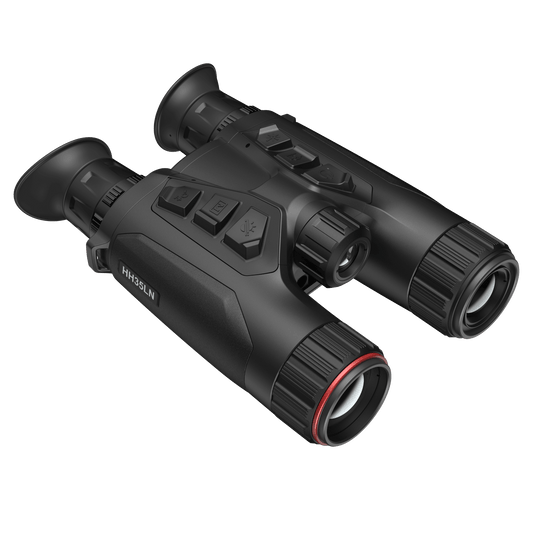
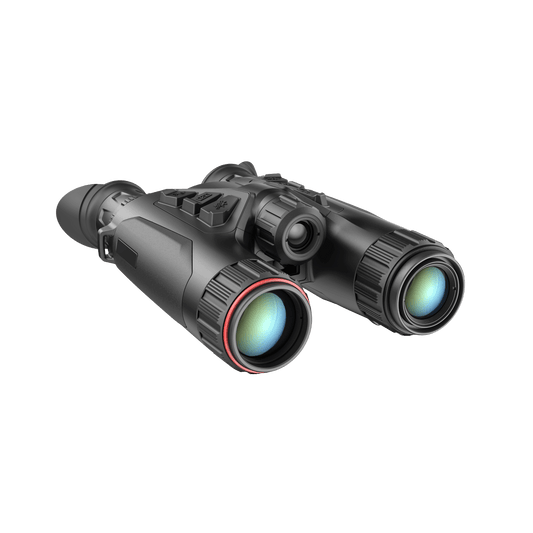
Hikmicro Habrok HQ35L Night Vision Thermal Binoculars
Vendor:HikMicroR 73,999.00R 44,999.00VIEW PRODUCT -
Hikmicro Habrok HH35L Binoculars With Thermal Imaging
Vendor:HikMicroR 54,190.00VIEW PRODUCT -

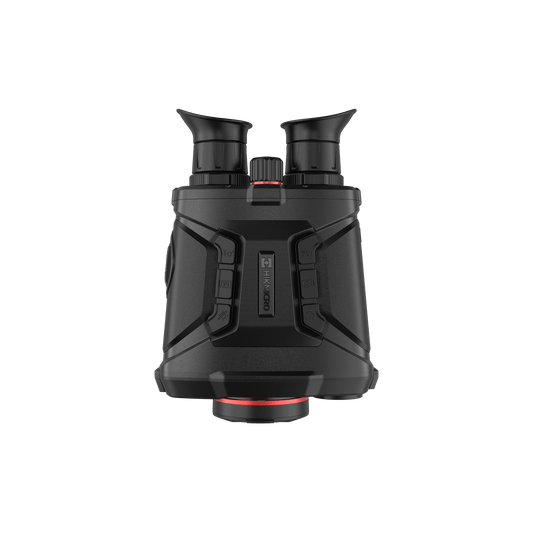 Out of stock
HikMicro Raptor RQ50 Handheld Thermal Binocular
Vendor:HikMicroR 99,000.00VIEW PRODUCT -

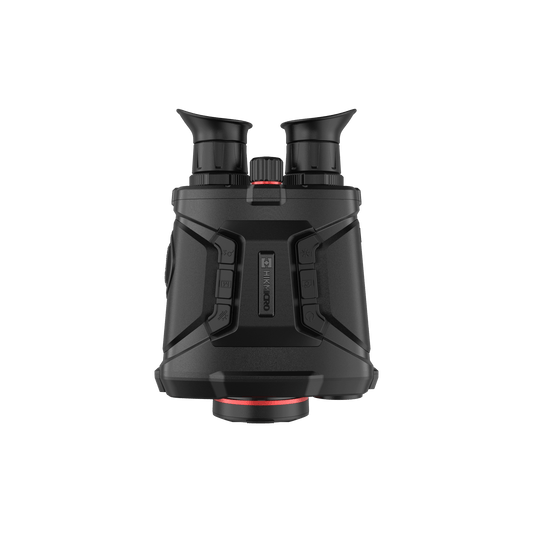 Out of stock
HikMicro Raptor RH50 Handheld Thermal Binocular
Vendor:HikMicroR 83,770.00VIEW PRODUCT -
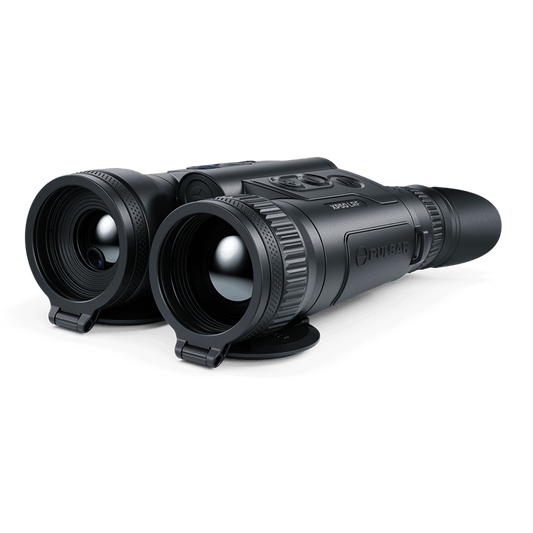
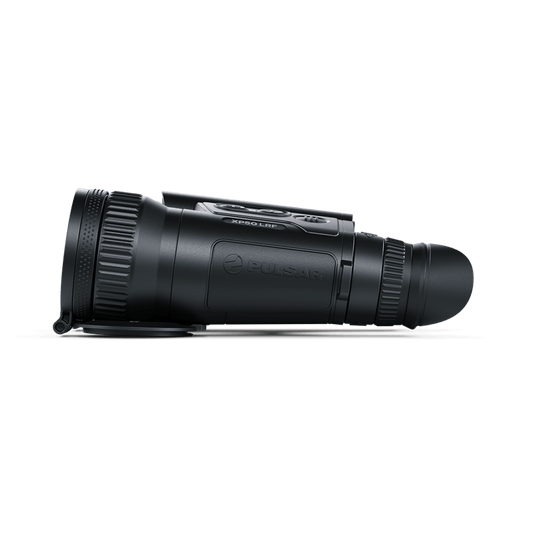 Out of stock
Pulsar Merger LRF XP50 Pro Thermal Binoculars
Vendor:PulsarR 119,999.00VIEW PRODUCT -
InfiRay PF6L Bi-Spectrum Thermal Imaging Binocular - (900m) (37.8mm) (640x512)
Vendor:InfirayR 361,429.00VIEW PRODUCT -
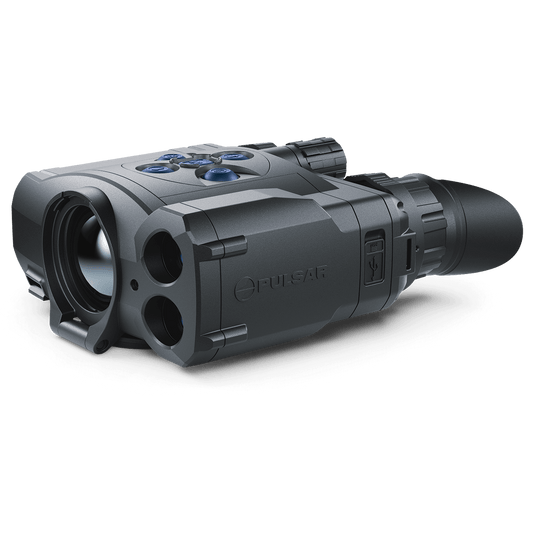
Pulsar Accolade 2 XP50 LRF PRO Thermal Binoculars - (1800m) (50mm) (640x480)
Vendor:PulsarR 0.00VIEW PRODUCT -
Habrok 4K HE25LN - Multi Spectrum Thermal Binoculars with 940nm IR Emitter
Vendor:HikMicroR 32,169.00VIEW PRODUCT -
Hikvision 2TS36 Multi-function Thermal Imaging Binocular - (2900m) (100mm) (640x512)
Vendor:HikvisionR 0.00VIEW PRODUCT -
Hikvision 2TS36 Multi-function Thermal Imaging Binocular - (2200m) (75mm) (640x512)
Vendor:HikvisionR 0.00VIEW PRODUCT -
Hikvision 2TS36 Multi-function Thermal Imaging Binocular - (1400m) (50mm) (640x512)
Vendor:HikvisionR 0.00VIEW PRODUCT -
Hikmicro Habrok HX60L - Thermal & Night Vision Binoculars
Vendor:HikMicroR 0.00VIEW PRODUCT








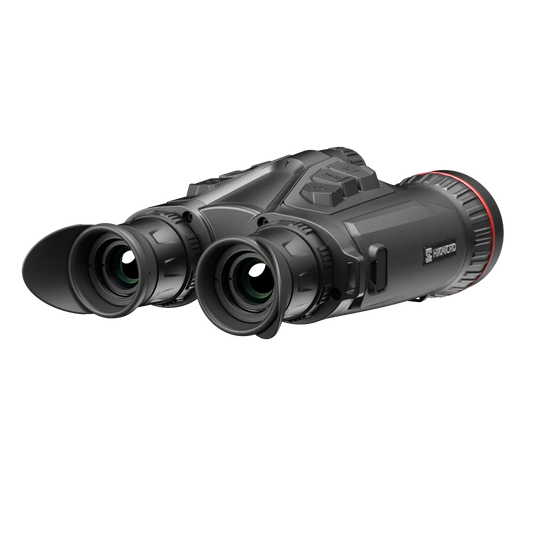
Why Choose Habrok?


What is the difference between thermal and infrared binoculars?
Unlike thermal imaging, infrared binoculars don't directly detect heat, relying instead on amplifying available light. This makes them effective in low-light conditions but limited in complete darkness.
Do thermal binoculars work in daylight?
While thermal binoculars excel in low-light and nighttime scenarios, they also offer valuable benefits during daylight hours. Despite reduced thermal contrast in bright sunlight, thermal binoculars can still detect heat signatures, aiding in tasks such as spotting wildlife through dense foliage or identifying potential hazards in search and rescue operations.
Can thermal binoculars see through walls?
Thermal binoculars are not capable of penetrating solid objects such as walls or concrete. However, they can detect variations in surface temperature caused by underlying heat sources or anomalies.
Why are thermal binoculars so expensive?
Thermal Binoculars utilize specialized materials like vanadium monoxide and germanium lenses to enhance their sensitivity to infrared radiation, allowing them to capture precise thermal images. However, these exotic materials and intricate manufacturing processes contribute to the higher cost of thermal imaging devices compared to traditional cameras.